
10 July 2026
The Hidden Cost of Cheap Lighting Design
Lighting is one of the most overlooked elements in a home—yet it has one of the biggest impacts on how a space looks, feels and functions.
At first glance, saving money on lighting design can seem like a sensible decision. After all, a downlight is just a downlight… right?
Unfortunately, this is where many projects go wrong.
Cheap or poorly designed lighting doesn’t just affect aesthetics—it creates long-term problems that are costly to fix and difficult to live with.
Glare: The Silent Comfort Killer
One of the most common issues we see is glare.
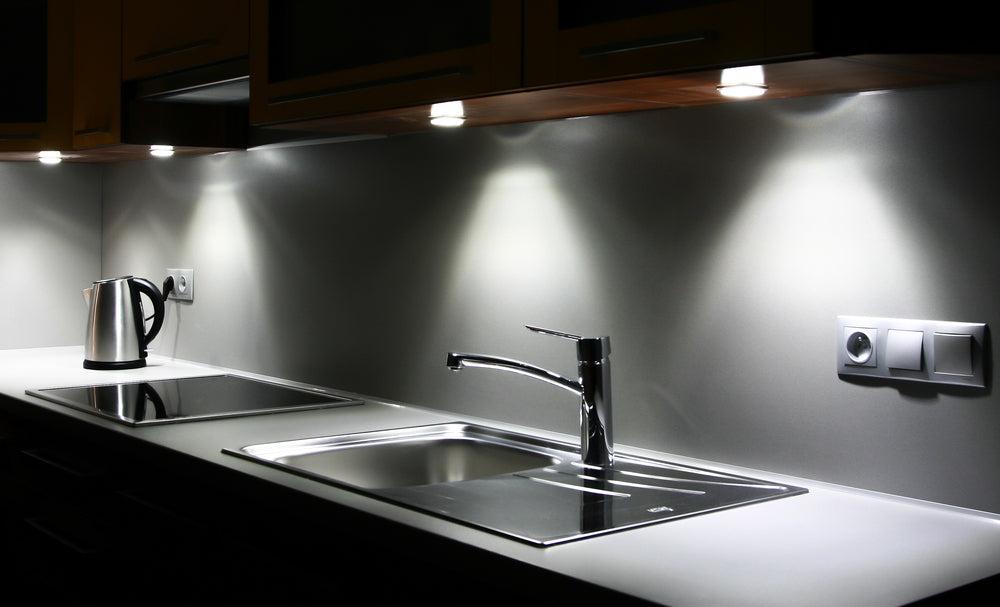
Low-cost fittings often lack proper shielding, resulting in harsh, direct light that shines straight into your eyes. Instead of illuminating a space, the light becomes uncomfortable and distracting.
In kitchens, living rooms and home offices, this can lead to eye strain and reduced usability of the space—especially in the evening when lighting matters most.
Wrong Colour Temperatures
Not all light is the same.
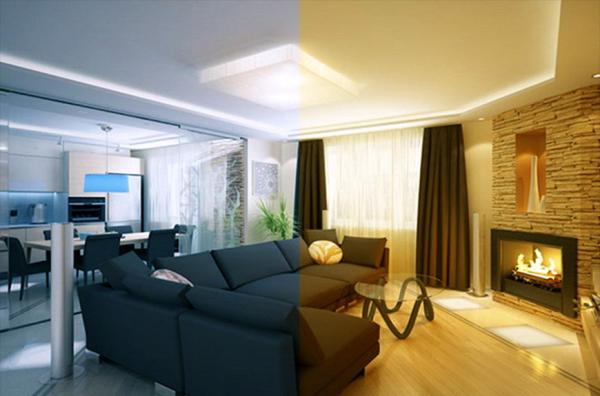
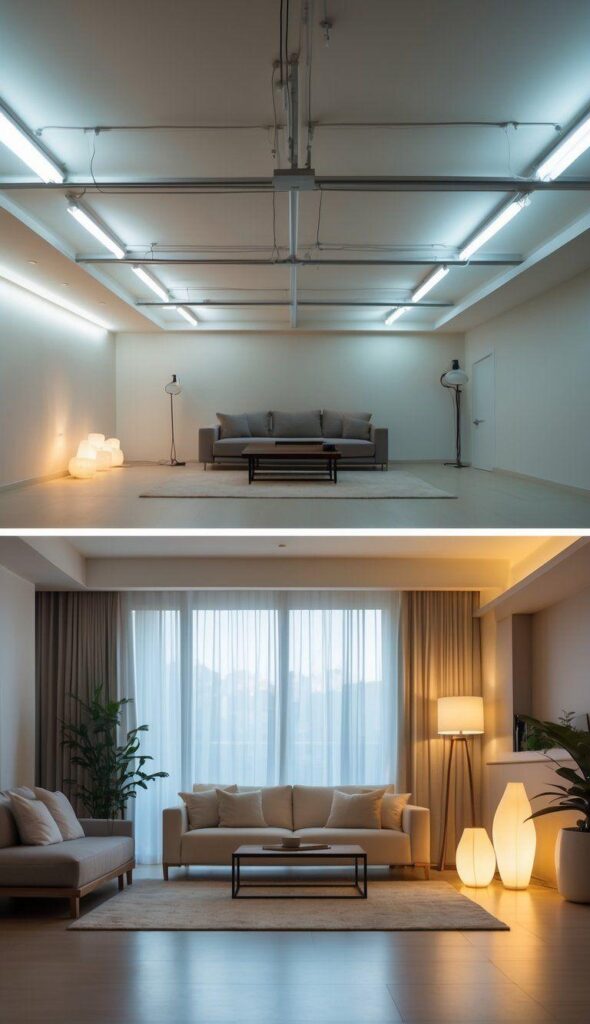
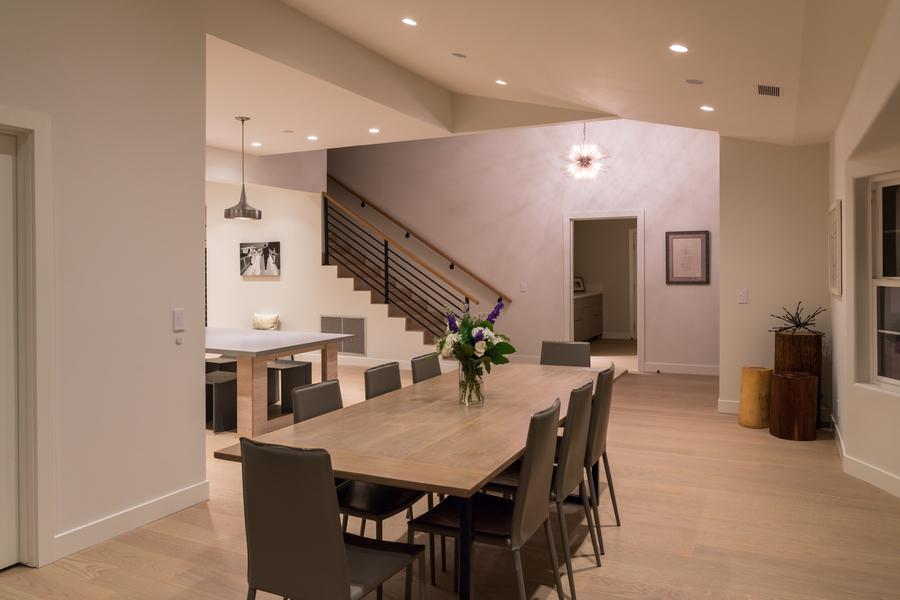
Cheap lighting schemes often mix inconsistent colour temperatures or use overly cool white light. The result is a space that feels clinical, flat and uninviting.
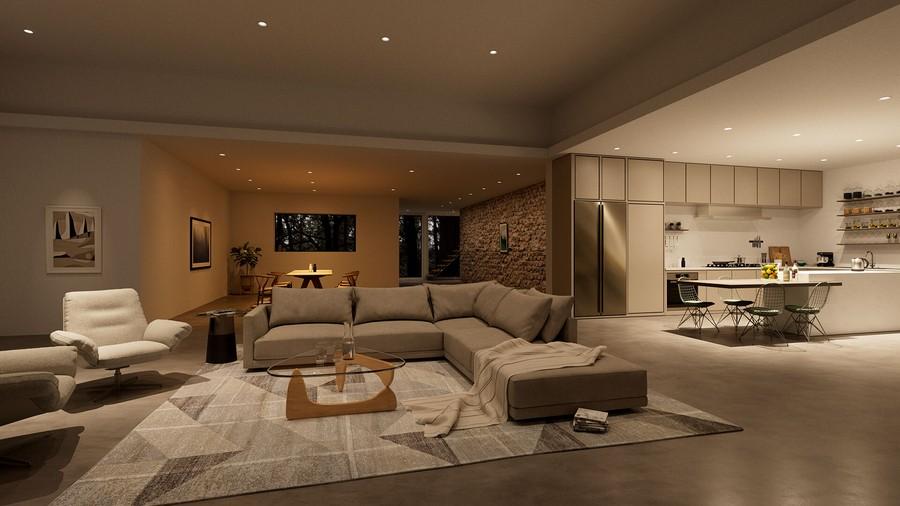
A well-designed lighting scheme carefully selects colour temperatures to suit each room—warm tones for relaxing spaces, balanced whites for task areas—creating a cohesive and natural feel throughout the home.
Poor Dimming Performance
Dimming is where the difference between cheap and professional lighting becomes obvious.
Many low-cost LED fittings:
- Flicker when dimmed
- Drop out at low levels
- Fail to dim smoothly
- Change colour when dimmed
This makes it almost impossible to create atmosphere.
Professional lighting systems use high-quality drivers and carefully matched control systems to deliver smooth, flicker-free dimming—from bright functional light to soft evening ambience.
Shadowing and Uneven Light
Poor lighting design often results in dark spots, harsh shadows and uneven illumination.
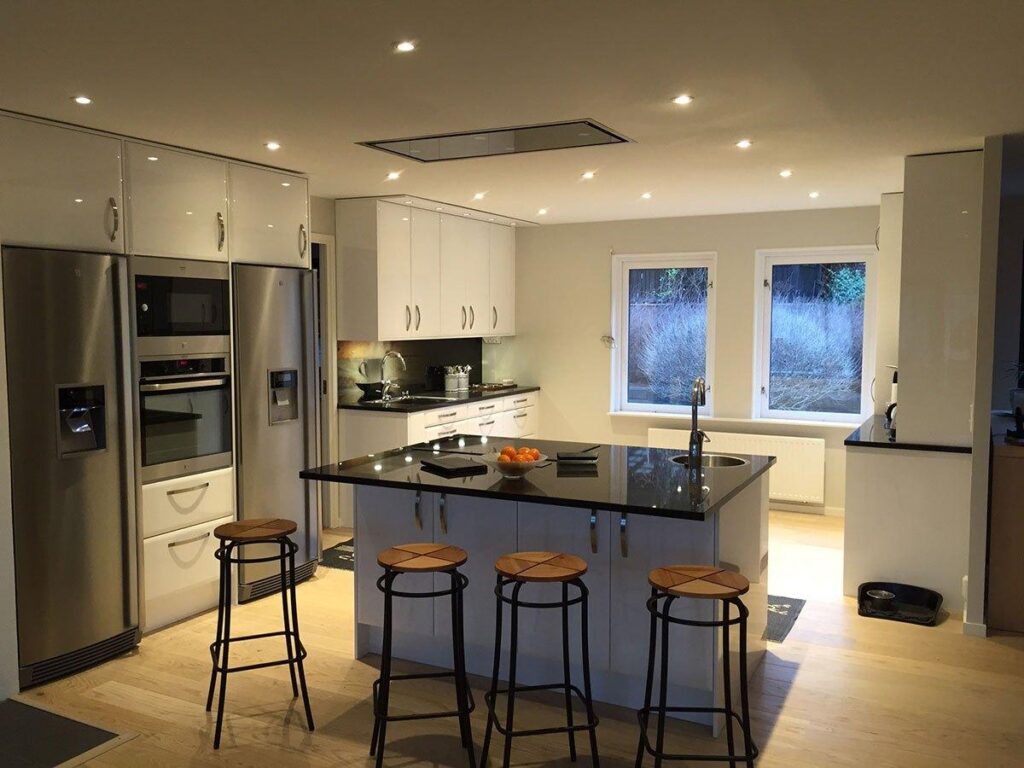
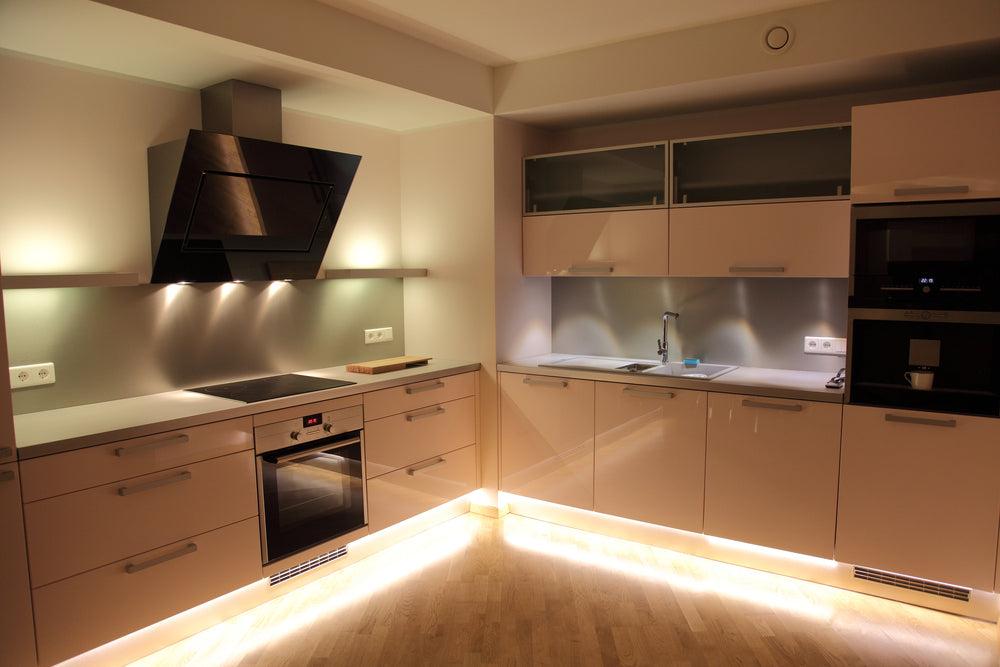
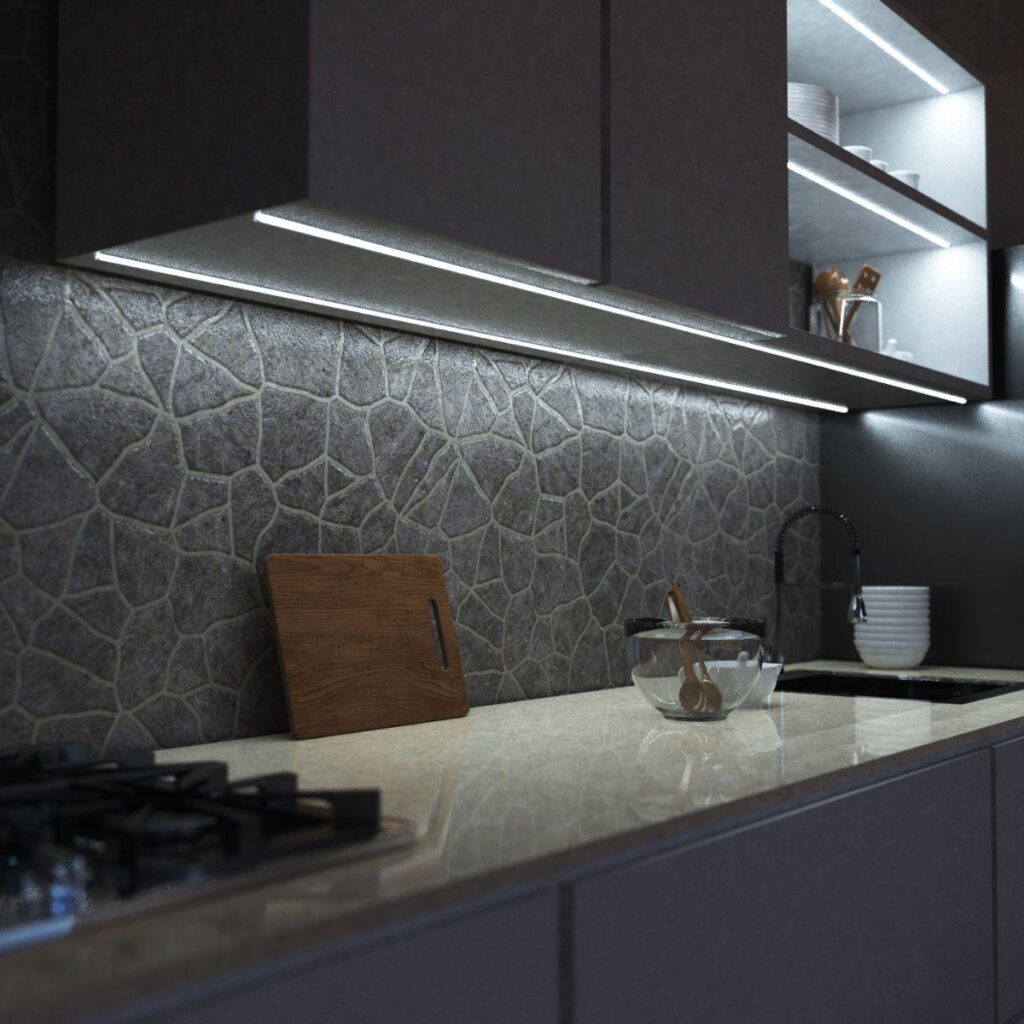
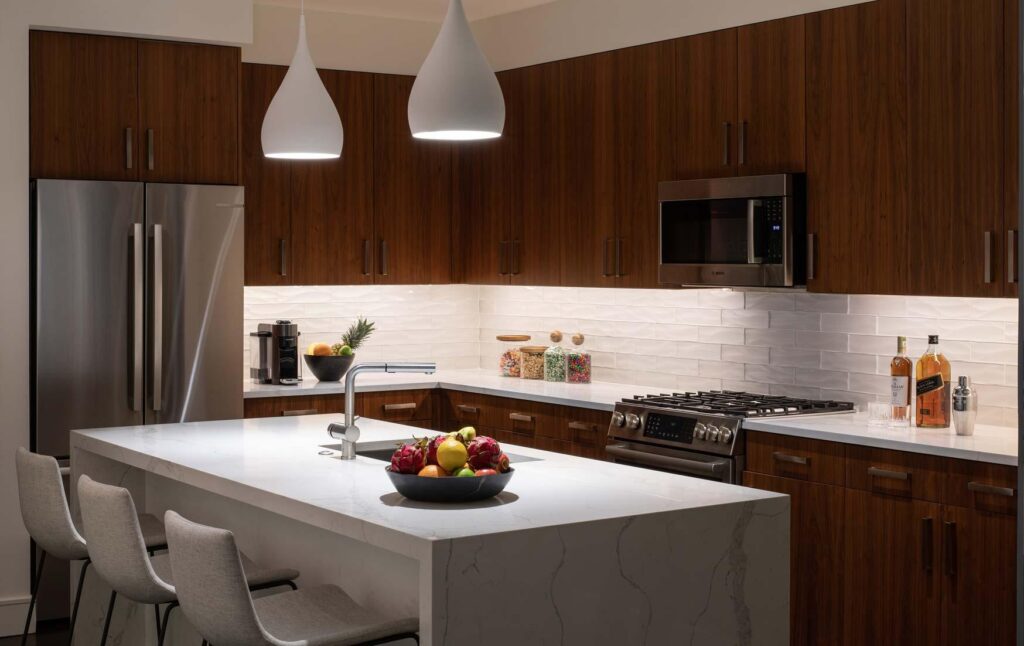
In kitchens, this means worktops that are difficult to use. In living spaces, it creates a flat, unbalanced feel where some areas are overlit and others are left in darkness.
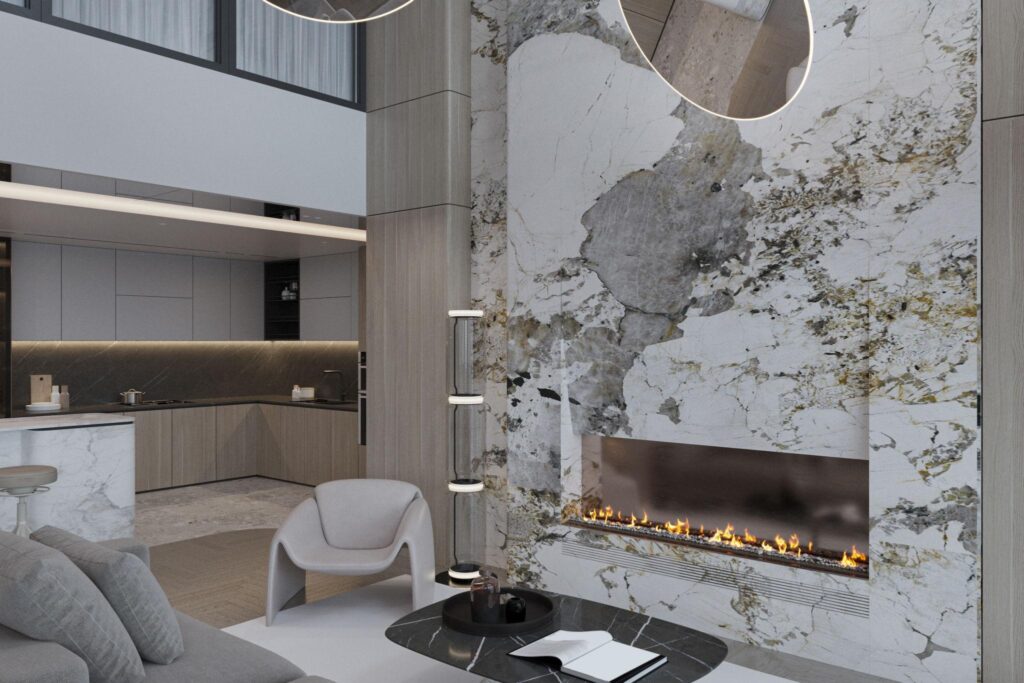
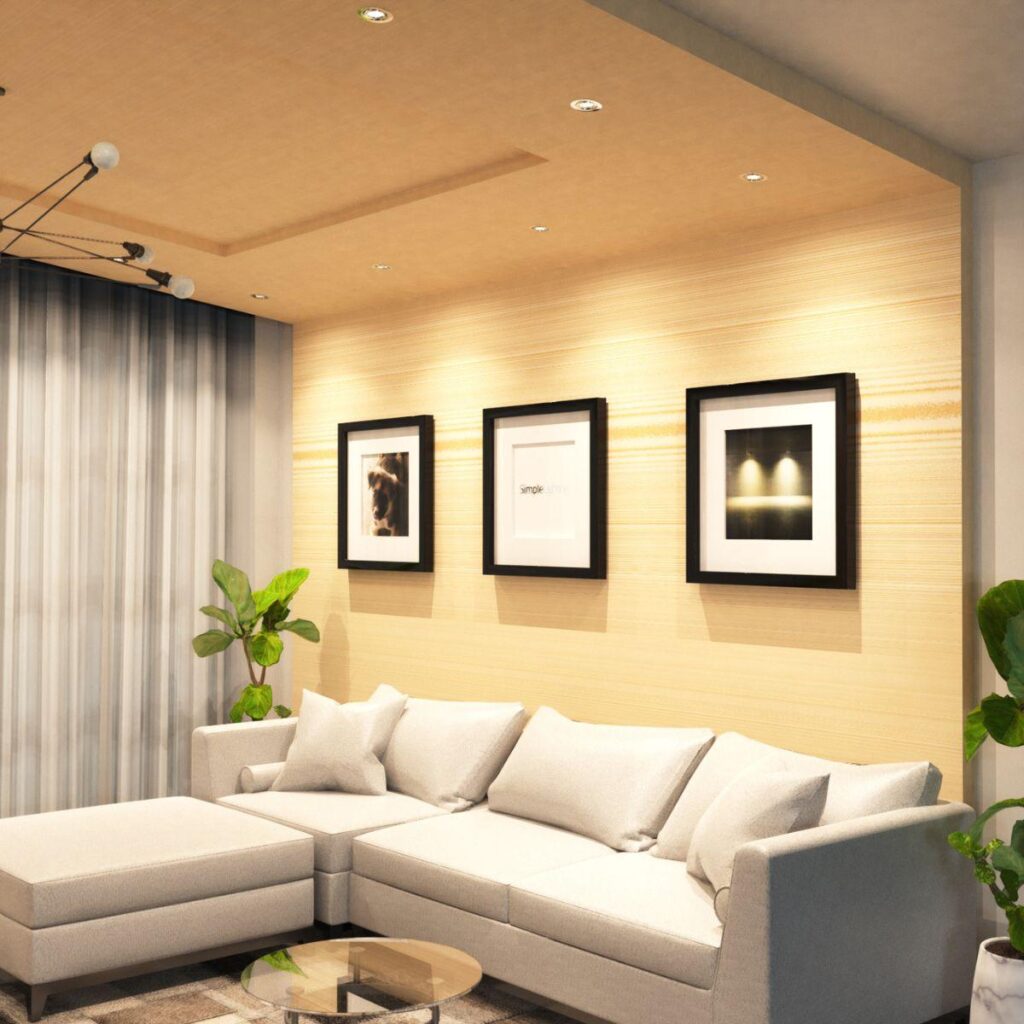
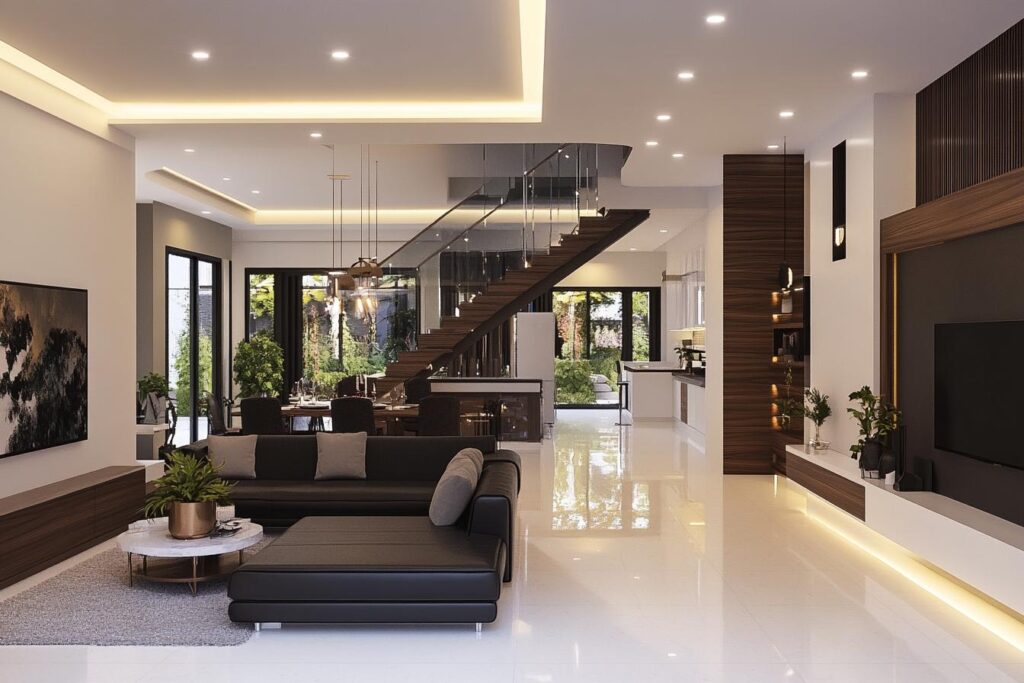
Good lighting design layers multiple light sources:
- Ambient lighting for overall brightness
- Task lighting where needed
- Accent lighting to add depth and interest
This creates a balanced environment that works both functionally and visually.
Energy Inefficiency
It may seem counterintuitive, but cheap lighting can actually cost more to run.
Poorly specified fittings often:
- Use more power than necessary
- Require higher brightness to compensate for bad placement
- Lack intelligent control
- Are left on longer due to poor usability
A well-designed system uses the right light in the right place, often reducing overall energy consumption while improving performance.
The Real Cost
The biggest issue with poor lighting design is that it’s difficult to fix once a project is complete.
Retrofitting better lighting often involves:
- Rewiring
- Replacing fittings
- Redecoration
- Additional labour costs
What initially looked like a saving can quickly become a far more expensive problem.
The Difference Professional Design Makes
At Install Automation, we approach lighting as part of a complete design strategy.
We focus on:
- Comfort as well as brightness
- Consistency across the entire home
- Integration with control systems
- Long-term performance and flexibility
The result is a home that not only looks better, but feels better to live in—day and night.
Thinking About Your Next Project?
Whether you are planning a renovation, extension or new build, lighting should never be an afterthought.
Done well, it transforms a space. Done badly, it defines it—for all the wrong reasons.
If you’d like to see the difference professional lighting design can make, get in touch with the Install Automation team to discuss your project.